

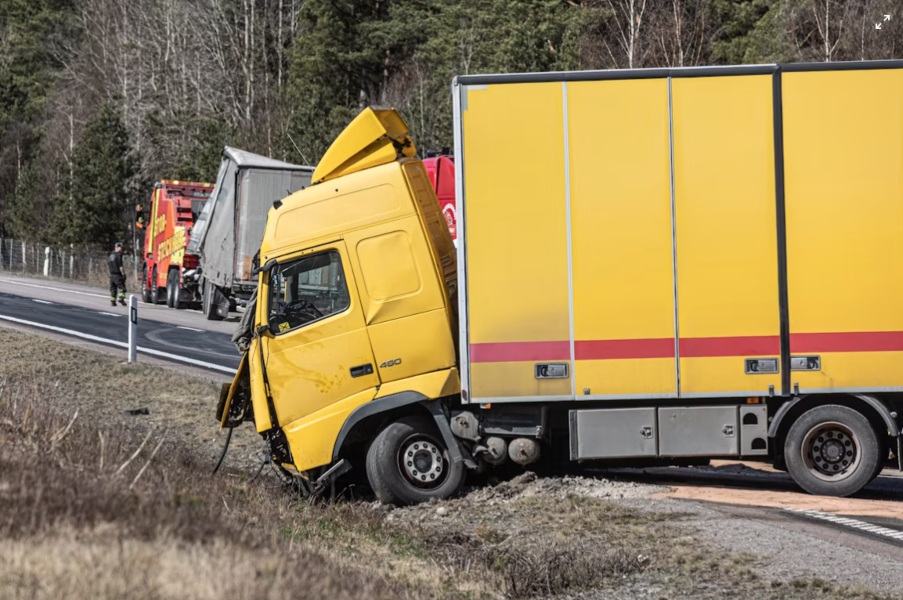
If you’re hurt in a crash with an 18-wheeler, get to safety, call 911, document injuries and swap contact and insurance info with the driver. You can collect ER records, photos, and bills and you have the right to seek compensation for medical costs, lost wages, and pain and suffering. Multiple parties—driver, carrier, owner, or a parts maker—might be liable. Statutes limit filing time, so act promptly, and further guidance explains how claims, investigations, and lawyers help.
Quick Checklist: What to Do Right After a Truck Crash
1 thing to do immediately after a truck crash is make sure you and others are safe—move out of traffic if you can, turn on hazards, and call 911 for medical help and to report the wreck.
Next, stay calm and check yourself and passengers for injuries; don’t move anyone seriously hurt unless there’s imminent danger.
Protect the scene for road safety—set warning triangles if it’s safe and keep bystanders clear.
Exchange names, contact details, license and insurance information with the truck driver, and note the truck’s company and plate.
If possible, take photos of vehicles, skid marks, positions, and the road environment.
Notify your insurer promptly and tell them the basic facts; early, accurate reporting helps preserve insurance claims.
Medical Records and Evidence to Collect After a Truck Crash
Medical documentation can make or break your case after a truck crash, so start collecting it right away.
Get copies of ER records, imaging (X-rays, CT, MRI), operative reports, discharge summaries, and all clinic notes. Request itemized medical bills and pharmacy receipts. Ask providers for diagnostic images on CD or digital files and keep originals when possible.
Document injuries with photos over time and log symptoms, treatments, and missed work.
Preserve physical evidence: damaged clothing, broken glasses, or medical devices in a labeled, dry container. Keep a secure folder—digital and paper—to support evidence preservation.
Share records promptly with your attorney and insurer, but avoid admitting fault in written statements.
Early, organized medical documentation strengthens your claim and protects your recovery.
What Rights You Have After an 18‑Wheeler Crash
Collecting and organizing your medical records is only the start — you also have specific legal rights after an 18‑wheeler crash that protect your recovery and any claim you make.
You have the right to seek compensation for medical bills, lost wages, pain and suffering, and future care when applicable. You can get copies of crash reports and medical records, and you’re entitled to a fair insurance coverage review; don’t sign releases or give recorded statements without advice.
You have the right to consult an attorney who can explain evidence needs and preserve claims while you heal. You also have a right to demand that parties responsible for driver negligence be investigated, and to negotiate or litigate to enforce your entitled recovery.
Who Can Be Held Responsible in a Truck Accident
While it may seem like the truck driver is the only party at fault, multiple people and businesses can share responsibility after an 18‑wheeler crash.
You may hold the driver accountable for driver negligence—speeding, impaired driving, or distracted behavior.
The trucking company can be liable if they pressured unsafe schedules, failed to train, or ignored hours-of-service rules.
The vehicle owner or leasing company might be responsible for poor vehicle maintenance that caused a mechanical failure.
Parts manufacturers and repair shops can be liable when defective components or improper repairs contribute to the wreck.
In some cases, cargo loaders or shippers are responsible if improper loading led to instability.
You deserve a thorough review of all potential defendants so you can pursue fair compensation.
How Investigators Prove Fault in Truck Crashes
Because proving fault in an 18‑wheeler crash often involves many moving parts, investigators piece together evidence from multiple sources to build a clear picture of what happened.
You’ll see accident scene photos, skid-mark analysis, and vehicle damage studies showing forces and angles. They’ll pull the truck’s black box for speed, braking, and engine data, and review driver logs and dispatch records to check hours, routes, and possible fatigue.
Witness statements, surveillance or dashcam video, and police reports fill gaps. Maintenance and inspection records can reveal mechanical issues, and employer policies might show training or pressure to speed.
All this evidence is weighed together so you can understand who acted negligently and why.
How Long You Have to File a Truck Accident Claim
How long do you have to file after an 18‑wheeler crash? State laws set filing deadlines—statutes of limitations—for personal injury and wrongful death claims, and those time limits vary.
You should act quickly: missing a deadline can bar recovery even if your case is strong. Some situations shorten deadlines (government vehicle claims, claims against public agencies) while others may allow claim extensions, such as when injuries weren’t discoverable immediately or a court grants extra time for procedural reasons.
Keep records, note critical dates, and check the specific deadline that applies where the crash occurred. If you think an exception or claim extensions might apply, get clear guidance promptly to preserve your rights and avoid losing the ability to file.
When to Hire a Truck Accident Lawyer and What They Do
If you’re dealing with serious injuries, mounting medical bills, an unclear fault picture, or an insurer that’s lowballing offers, hire a truck accident lawyer as soon as you can. You shouldn’t wait if fault involves multiple parties, commercial carriers, or evidence that could disappear.
A lawyer helps clarify truck accident liability, preserves evidence, handles insurer contact, and files necessary paperwork within deadlines.
With legal representation benefits, your attorney investigates driver logs, maintenance records, and company policies, negotiates with insurers, and coordinates experts like accident reconstructionists.
Firms such as Johnson Garcia truck accident attorneys may also help identify all potentially liable parties, preserve critical evidence before it disappears, and build a comprehensive claim strategy designed to maximize recovery.
They explain your options, estimate likely outcomes, and advise whether settlement or litigation fits your case. You’ll have someone protecting your rights, reducing stress, and pushing for fair treatment while you focus on recovery.
How Truck Accident Settlements and Damages Are Calculated
Once your attorney starts investigating and negotiating, you’ll want to know how settlements and damages are actually calculated so you can evaluate any offer.
Your lawyer will quantify economic losses—medical bills, lost wages, future care—and non-economic losses like pain, suffering, and loss of enjoyment. They’ll compare liability, insurance limits, and precedent to estimate likely settlement amounts.
Damage factors such as injury severity, recovery prognosis, and permanent impairment directly affect value. Contributory negligence, trucking-company policies, and punitive-damage potential also change expectations.
You’ll get a demand that itemizes costs and explains assumptions, and your attorney will test insurer responses through negotiation or litigation if needed.
Understanding these elements helps you judge offers and decide whether to accept settlement amounts or push for more.
Frequently Asked Questions
Can I Still Sue if the Truck Company Declared Bankruptcy?
Yes — you can still sue. Bankruptcy implications may limit recovery from the company, but you can pursue insurance recovery, third parties, drivers, or bankrupt company claims through the bankruptcy estate; you’ll want a lawyer guiding you.
Will My Insurance Rates Increase After a Truck Accident Claim?
Yes — your rates can rise after a truck accident claim, depending on the insurance claim process and accident fault determination; you’ll want to document evidence, cooperate, and consult your agent so you’re prepared and protected.
Are Punitive Damages Ever Awarded in Truck Crash Cases?
Yes — you can get punitive damages in truck accidents when the defendant’s conduct was malicious, reckless, or grossly negligent; you’ll need clear evidence and strong legal advocacy, and courts award them to punish and deter egregious behavior.
How Do Out-Of-State Laws Affect My Truck Accident Claim?
Out-of-state laws can change liability rules and evidence requirements, so you’ll face jurisdiction issues and increased claim complexity; consult a local lawyer who’ll navigate venue, choice-of-law, and procedural differences while protecting your compensation.
Can Social Media Posts Hurt My Truck Accident Case?
Yes — your social media posts can hurt your truck accident case. Don’t post details, photos, or opinions; assume everything’s discoverable. Preserve privacy concerns, lock accounts, and consult your attorney before sharing anything online to protect your claim.
Conclusion
You’ve done the right thing by learning your rights and the steps to take after an 18‑wheeler crash. Get medical care, preserve evidence, and document everything—those actions protect your health and your claim. Know who may be liable and how long you have to act. Talk with a truck accident lawyer if injuries or complex liability are involved; they’ll explain options and fight for fair compensation. You don’t have to handle this alone.